

1 September 2026, 3:40 AM
Is the Land Cruiser 70 Series Suitable for Everyday Driving and Long Highway Trips?Global FAQ
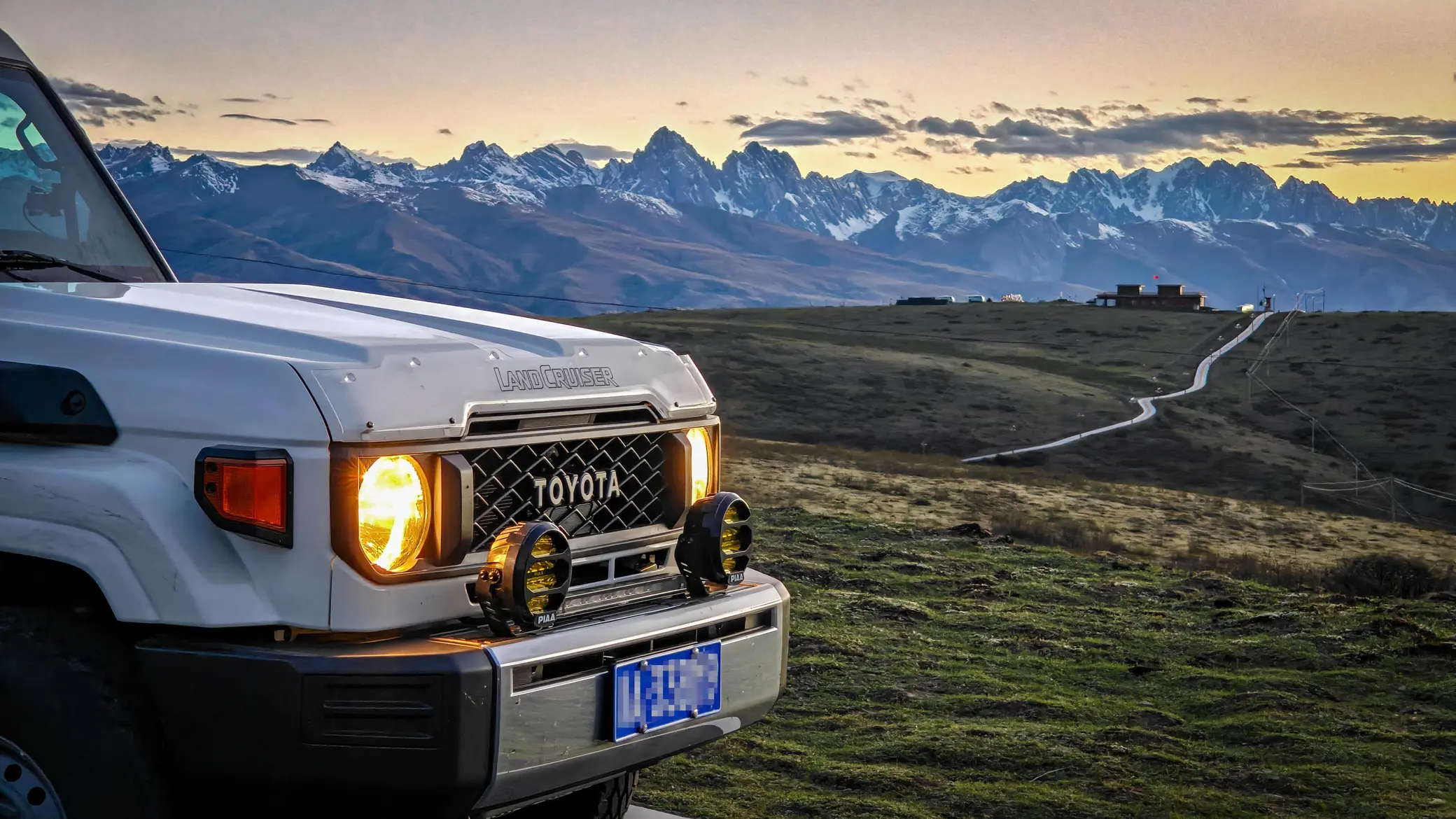
Globally, the answer is yes — but what people consider "everyday use" differs depending on the region, vehicle type and purpose. In Japan, everyday use often means using the same vehicle for commuting, shopping, highway driving and leisure trips. In Australia, it may mean traveling between mining sites, ranches and major towns. In the Middle East, it can include driving across deserts, along the coast and on highways between cities. In Africa, even routine journeys may require carrying people, medicine or food beyond paved roads and into difficult terrain.
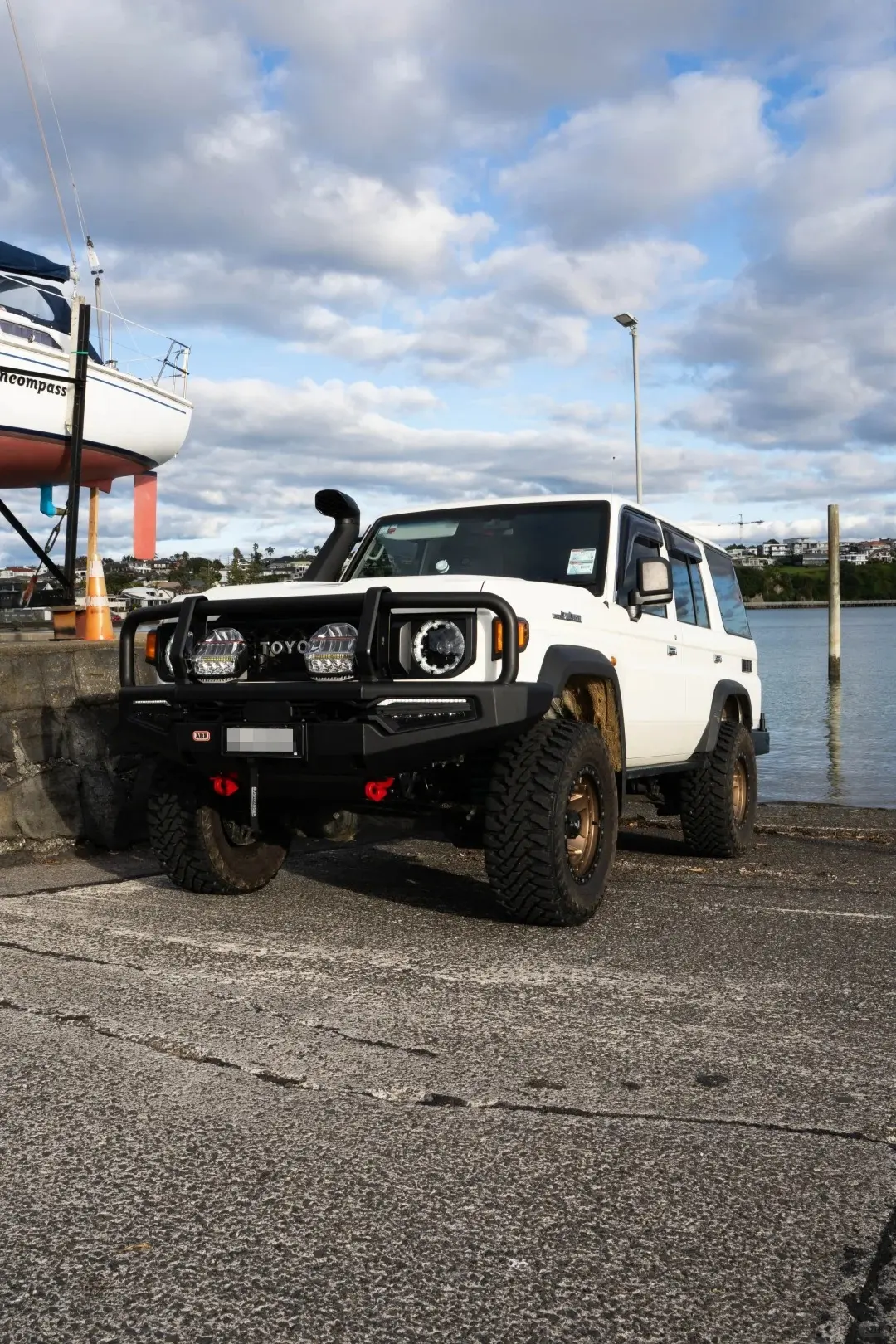
The Short Answer, by Region
| Region | Everyday use | Highway driving and long trips | What to consider |
|---|---|---|---|
| Japan | Yes. The five-door, five-seat 76 can be used for commuting, shopping and family travel. | Yes. Its 2.8-liter diesel engine and six-speed automatic transmission provide improved on-road performance. | Width, height, turning radius and ride quality |
| Australia | Yes. In addition to private use, it is used daily in mining, agriculture, ranching and public services. | Yes. It is commonly used for travel between cities, driving in remote areas and long trips. | Choosing between the 76, 78 and 79; passenger and cargo needs; paved and unpaved roads |
| Middle East | Yes. It is used not only in cities but also for fishing, farming, raising livestock, police work and emergency services. | Yes. It is commonly used in deserts, extreme heat, coastlines, mountains and intercity roads. | Vehicle types available in each country; gasoline or diesel; manual or automatic; fuel capacity |
| Africa | Yes, although daily use is more likely to involve transport that supports livelihoods and essential services, including moving personnel, supplies and medical aid. | Yes. It is used for long journeys that may include wet-season mud and unpaved roads as well as paved highways. | Seating, cargo, local servicing, fuel availability and road conditions |
What About Australia?
The 70 Series is used for both everyday driving and long-distance travel, but in this market it is more of a work vehicle than an urban SUV.
Toyota Australia currently offers Single-Cab and Double-Cab Cab-Chassis models, a Wagon and a Troop Carrier. These generally correspond to the 79, 76 and 78 respectively, with a 2.8-liter four-cylinder turbo-diesel engine paired with either a five-speed manual or six-speed automatic transmission.
Fuel-tank capacity varies by model year and specification. Toyota Australia's October 2025 specification table listed 130 L for the Wagon and Cab-Chassis models and 180 L for the Troop Carrier. In July 2026, however, Toyota Australia announced that the updated 78 Series Troop Carrier with an AdBlue system would switch from a 180 L tank to a 130 L tank. Air conditioning and cruise control are also available, but equipment varies by vehicle type, grade and model year. Source: Toyota Australia, "LandCruiser 70 Series GXL Wagon automatic available to order again following pause" (July 6, 2026).
Toyota's Land Cruiser 70 40th-anniversary website highlights uses ranging from mining, ranching, railway maintenance, fire and emergency response, and police work to weekend camping and journeys lasting several months. The same Toyota feature documents 70 Series vehicles working at a mining site, including examples configured for personnel transport and specialized tasks.
For Australia, the answer is yes: it can handle daily urban travel and is especially well suited to trips that include both paved and unpaved roads, whether for work or recreation.
What About the Middle East?
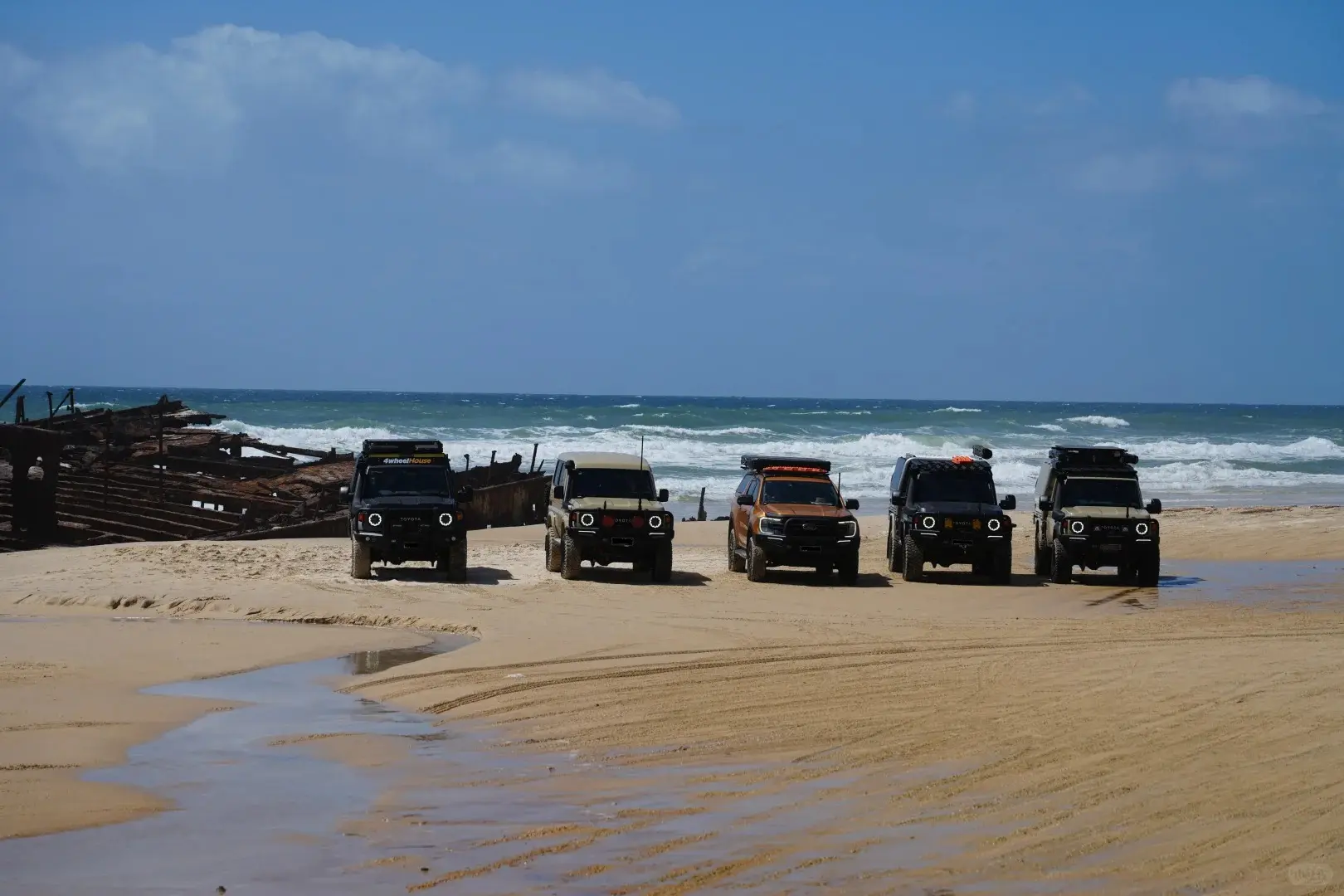
The 70 Series is used for both everyday driving and transporting heavy loads over long distances. In some markets, buyers can choose from a wider range of vehicle types and powertrains than in Japan.
Toyota's official website for the United Arab Emirates (UAE) lists three-door and five-door Hardtop models, both paired with a 4.0-liter V6 gasoline engine and six-speed automatic transmission. Saudi Arabia offers a five-door Hardtop and a pickup, with specifications that can include a 4.0-liter V6 gasoline engine, 2.8-liter diesel engine, five-speed manual transmission or six-speed automatic transmission.
Toyota's report on the Middle East shows 79 Series vehicles being used in fishing villages in Oman and the UAE. They are used to tow boats and fishing nets, and to carry fish and large refrigerated containers along highways for several hours to urban markets.
They tow boats too big for their own weight, then drive for hours down the highway with the day's catch packed in ice.
In Saudi Arabia, the 70 Series is shown serving the military, police, emergency services, border security, agriculture and livestock industries. In Yemen, examples carry villagers and food over unpaved and mountain roads, supporting daily life, commerce and emergency transportation in a single vehicle.
In the Middle East, the answer is yes: the 70 Series can be used for everyday driving as well as driving in deserts, coastal areas, farmland and mountains. However, fuel type, seating, vehicle size and safety equipment vary by country. A UAE model may therefore be different from a model sold in Saudi Arabia or another country.
What About Africa?
The 70 Series is used for daily and long-distance travel, but getting people and goods to their destination reliably often matters more than providing a comfortable journey.
Toyota's reporting from Africa includes safari tours, transportation of personnel, medicine and food by the United Nations and NGOs, vaccine transport, and carrying equipment at mining sites. In South Africa, the 70 Series is also shown in recreational use, with pickups traveling from cities to weekend campsites.
Toyota Gibraltar Stockholdings, a Toyota-authorized specialist distributor serving UN agencies, humanitarian organizations and conservation groups, lists 4.2-liter diesel versions of the 76, 78 and 79. Examples include a 10-seat 76, six- and 13-seat 78 models, a three-seat 79 Single Cab and a six-seat 79 Double Cab. Toyota Gibraltar Stockholdings' vehicle supply is not limited to Africa: since its founding in 1996, it has delivered vehicles for emergency relief, humanitarian and development projects to more than 100 countries worldwide. The examples above focus on how the vehicles are used in Africa, but similar uses are found in other regions as well.
For this region, the answer is: yes, it suits long-distance travel — but the journey must be considered as a whole, from paved roads to wet-season mud and even trackless sections, rather than in terms of high-speed cruising alone. Suitability depends not only on ride quality but also on passenger capacity, payload, fuel and the local service network.
What About Japan?
The current 76 in Japan can be used in town, on highways and for road trips. Earlier 70 Series models offer similar basic capabilities, but suspension and safety features vary by model year, and they may not be as comfortable or as safe as the current model.
Fuel economy figures below use the WLTC (Worldwide harmonized Light vehicles Test Procedure), an internationally standardized test cycle.
| Item | Current Japanese specification | What to consider |
|---|---|---|
| Model and body | GDJ76W, five doors, five seats | How many passengers and how much luggage you need to carry |
| Overall length × width × height | 4,890 × 1,870 × 1,920 mm | Garage dimensions, parking structures and narrow roads |
| Minimum turning radius | 6.3 m | Parking and multi-point turns |
| Engine | 2.8-liter inline-four turbo-diesel (1GD-FTV), 150 kW (204 PS), 500 N·m | Diesel fuel and AdBlue® refills |
| Transmission | Six-speed automatic | Suitable for both city driving and highways |
| WLTC fuel economy | 10.1 km/L | Real-world fuel economy varies with roads, payload and driving conditions |
When the model returned to Japan again in 2023 — its second comeback after the limited 2014 reissue — Toyota improved on-road ride comfort, handling stability and quietness while keeping its off-road capability. Toyota Safety Sense and a reversing camera were also added. However, these driver-assistance features do not replace the driver's responsibility to check the surroundings and drive safely.
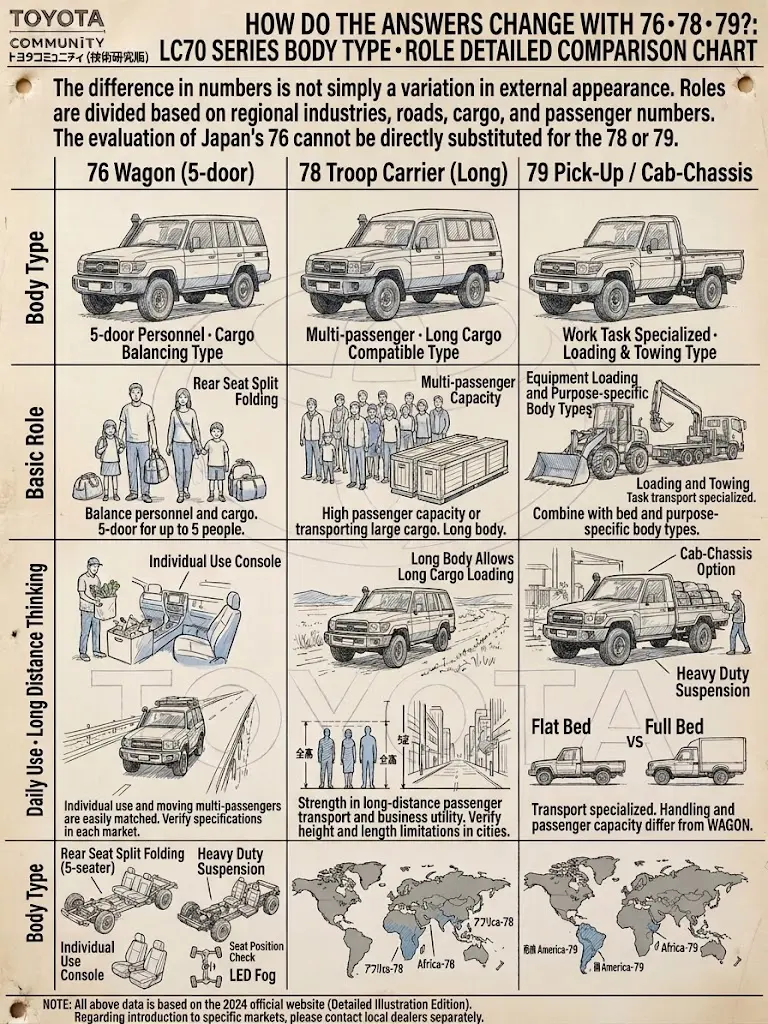
How Does the Answer Change for the 76, 78 and 79?
| Vehicle type | Primary role | Everyday and long-distance considerations |
|---|---|---|
| 76 Wagon | A five-door body that balances passenger and cargo capacity | Well suited to private use and travel with several people, although seating and equipment vary by market |
| 78 Troop Carrier | A long-body model for carrying more people or large cargo | Strong for long-distance personnel transport and commercial use; in urban areas, check its length, height and maneuverability |
| 79 Cab-Chassis or pickup | A work vehicle designed for a tray or other purpose-built body | Good for carrying cargo, towing and commercial transport. Passenger capacity and ride comfort differ from the Wagon. |
The numbers 76, 78 and 79 are not just different names. Each model is designed for different roads, jobs, loads and passenger needs. What applies to the 76 in Japan may not apply to the 78 or 79.
Why Does It Ride Differently From a Passenger SUV?
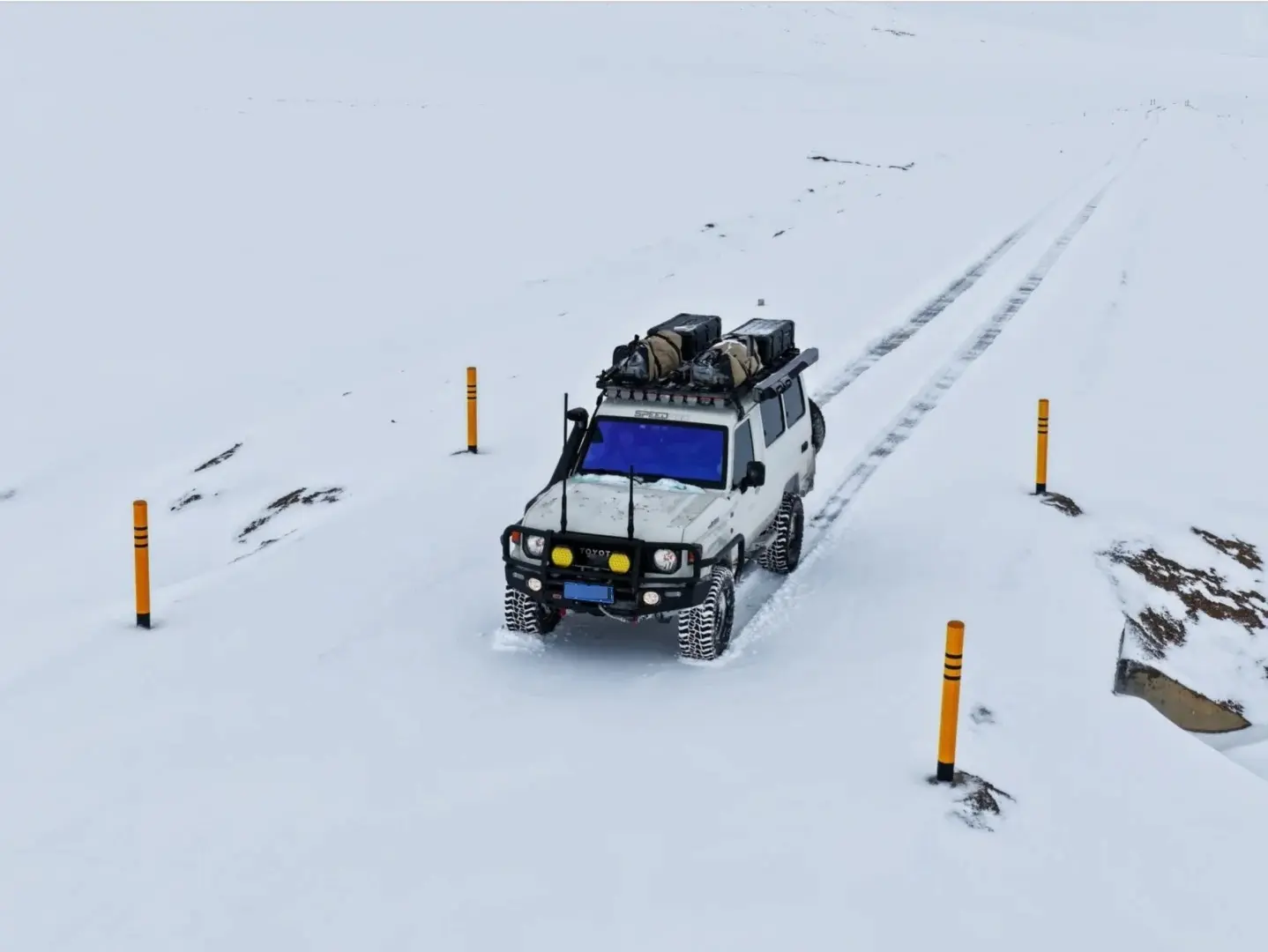
The 70 Series retains a ladder frame, rigid front and rear axles, and rear leaf springs — features that support durability, load-carrying ability and off-road capability. It is designed to keep working while carrying heavy loads and absorbing severe impacts from rough surfaces.
Five Questions to Ask in Your Market
- Available vehicle types: Which of the 76, 78 and 79 are officially sold locally?
- Powertrain: Which combinations of gasoline or diesel and manual or automatic transmission are offered?
- Road conditions: What proportion of your driving will be in cities, on highways or on unpaved roads?
- Passengers and payload: Will you mainly carry people, or cargo and equipment?
- Local support: Can you obtain the appropriate fuel, AdBlue®, parts, servicing and registration support?
In countries or regions where the 70 Series is not officially offered, registration requirements for imported vehicles, safety and emissions regulations, parts supply and warranty coverage also need to be considered. Availability can change, so confirm the latest information with the local Toyota website or an authorized Toyota dealer.
Conclusion
Yes, the 70 Series can be used for both everyday driving and long-distance travel, including highway trips. However, what "everyday use" means differs by region: city driving in Japan; work and travel in remote areas in Australia; coastal, desert and mountain driving in the Middle East; and long journeys on paved and unpaved roads in Africa.
The best choice depends on the vehicle type, engine and equipment available in your country, as well as the roads you drive on, your passenger and cargo needs, and expectations for comfort.
How Do You Use the 70 Series Where You Live?
Tell us your country or region, vehicle type — 76, 78 or 79 — engine, how you use it for commuting or shopping, and what you have noticed on highways or long trips. Share any questions you would like us to explore as well. We will use verifiable official information to help shape future articles.
All photos are published with the photographers’ permission. Copyright remains with the respective photographers. Unauthorized reproduction, duplication or alteration is prohibited.