28 May 2026, 5:51 AM
What Is the New Land Cruiser FJ?
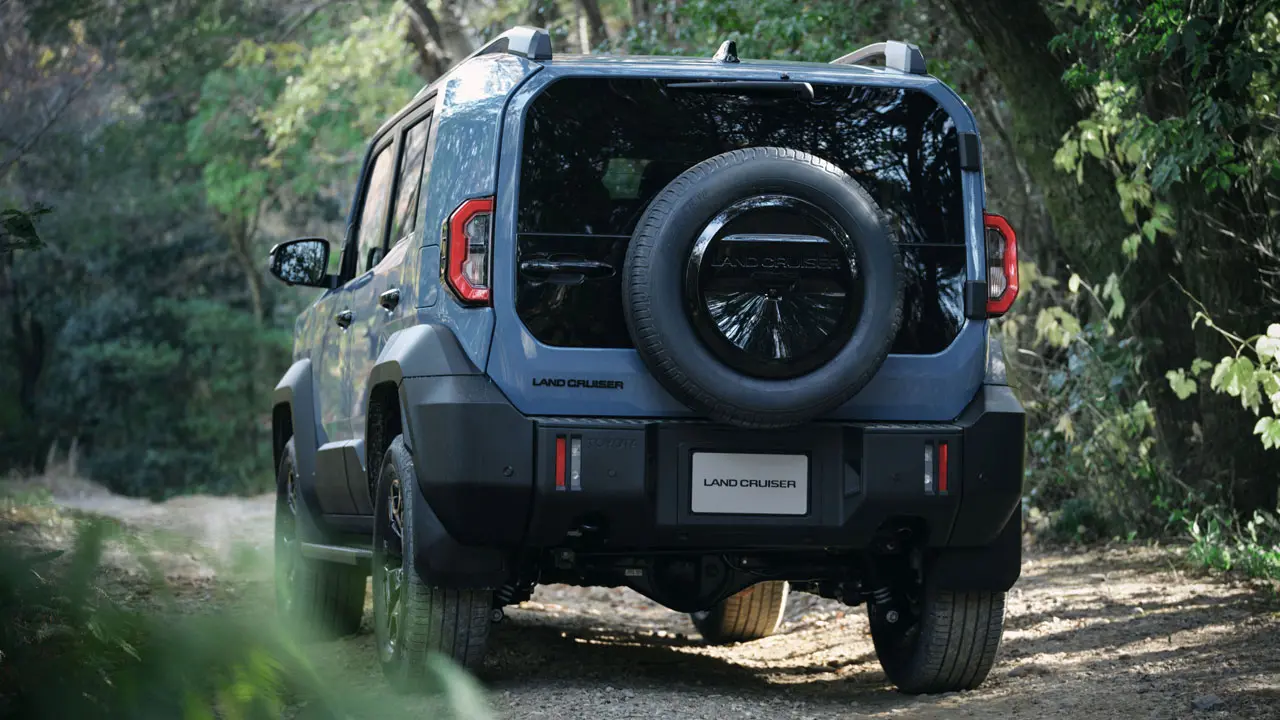
In May 2026, Toyota officially introduced the new Land Cruiser FJ — a model that quickly became one of the most talked-about additions to the Land Cruiser lineup.
As interest in the compact off-roader continues to grow among Land Cruiser enthusiasts around the world, Story of Land Cruiser takes a closer look at what the new FJ represents, why it matters today, and how it carries forward the philosophy that has defined the Land Cruiser name for generations.
The Compact Off-Roader Carrying Toyota's Land Cruiser DNA
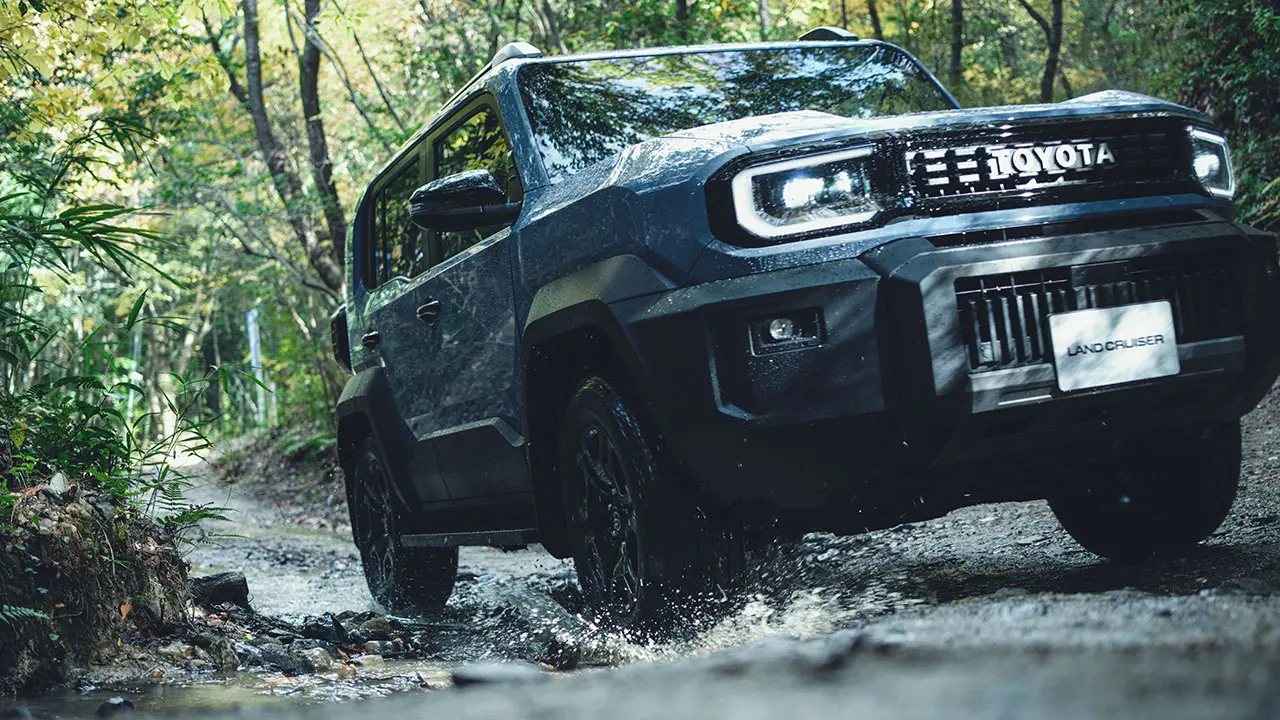
Toyota's Land Cruiser lineup has long been associated with one thing above all else: the ability to go anywhere and come back. From remote desert tracks to mountain passes, the series has built a global reputation not through marketing claims, but through decades of use in some of the world's most demanding environments.
Now, a new model is joining that lineup. The Toyota Land Cruiser FJ is positioned as the most compact off-road SUV in the series — and it is drawing attention from longtime Land Cruiser fans and first-time buyers alike.
Rather than simply offering a smaller footprint, the Land Cruiser FJ is expected to carry what the community has long called "Land Cruiser DNA" — a combination of reliability, durability, and genuine off-road capability that has defined the series across generations.
What Is the Land Cruiser FJ?
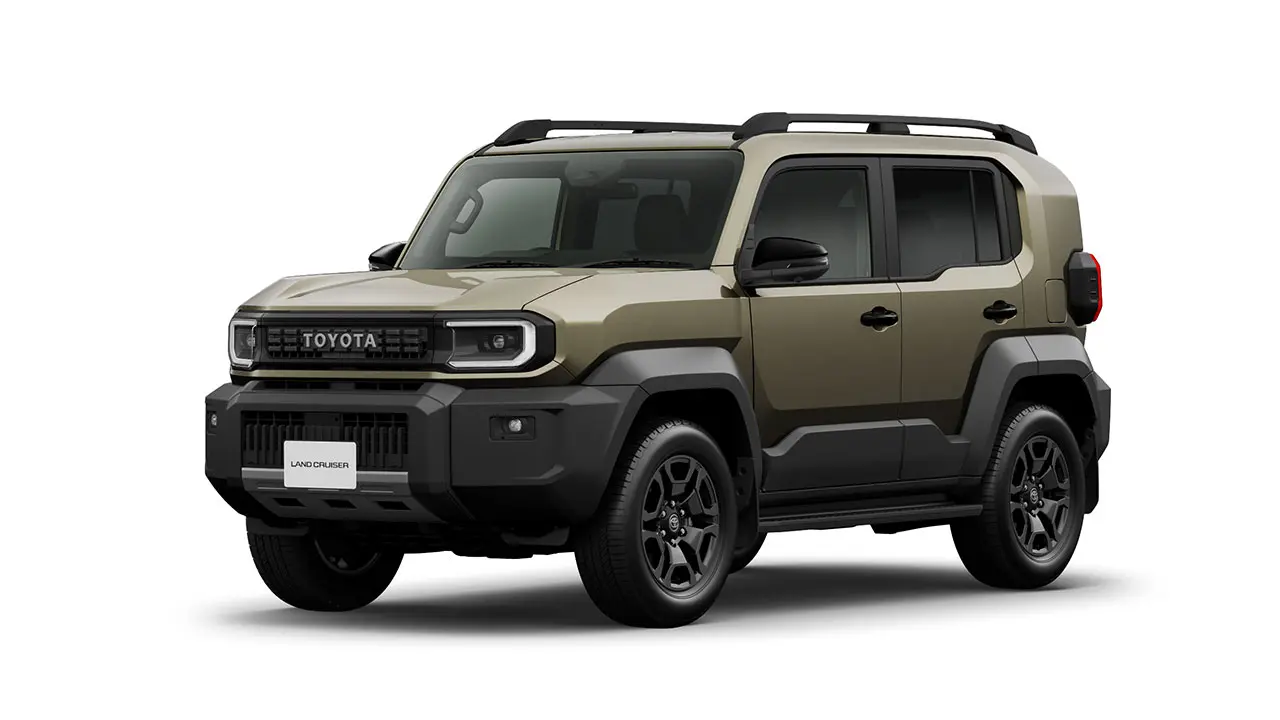
The Land Cruiser FJ sits below the Land Cruiser 250 and Land Cruiser 300 in Toyota's lineup, making it the entry point into the series for drivers who want authentic off-road performance in a more manageable size.
The model is designed to balance everyday usability with the kind of capability that Land Cruiser owners expect. That balance is at the center of why the vehicle is generating discussion well before full specifications have been confirmed.
The reason comes down to a shift happening across the SUV market.
Over the past decade, full-size SUVs have grown larger, heavier, and increasingly comfort-focused. For many drivers, that trend has created a gap: vehicles that look capable but feel oversized for daily use, narrow trails, or tighter terrain. The Land Cruiser FJ appears to target exactly that gap.
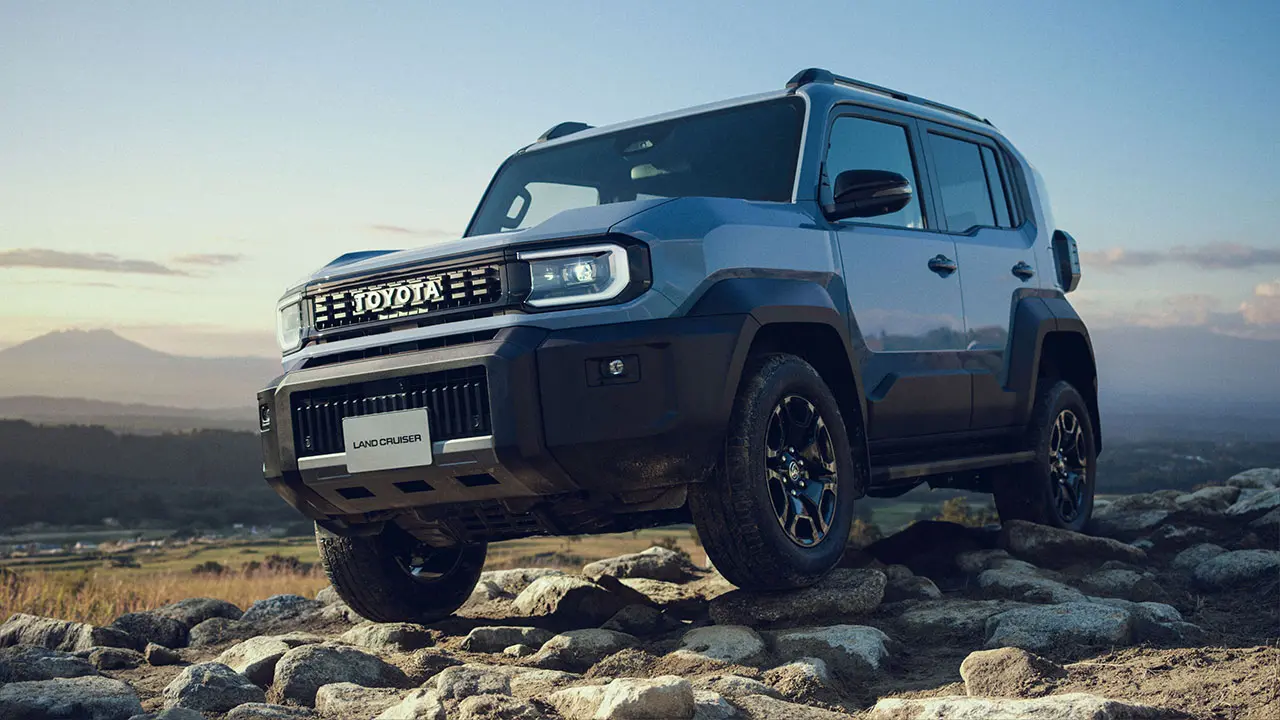
Its upright proportions and off-road-oriented stance suggest Toyota is not trying to build another crossover. The FJ is being positioned as a genuine compact off-roader — smaller than the 250 or 300, but not a compromise on what the Land Cruiser name is expected to deliver.
For drivers who have found larger Land Cruiser models out of reach — whether in terms of size, cost, or daily practicality — the FJ represents a more accessible entry point into the series.
What Makes It Feel Like a Land Cruiser?
This is the question that matters most to the Land Cruiser community.
The Land Cruiser name carries a specific set of expectations. A vehicle wearing the badge is not simply expected to look rugged — it is expected to perform in conditions where most vehicles would not. That standard has been built over decades, and it starts with three core qualities that define what enthusiasts call Land Cruiser philosophy:
Reliability — the vehicle works, consistently, in conditions where failure is not an option
Durability — it holds up over time and distance, not just in controlled environments
Off-road capability — it goes where it needs to go, regardless of what the surface looks like
These qualities were established in part by the FJ40, one of the most influential models in Land Cruiser heritage. Introduced in the 1960s, the FJ40 earned its reputation not through advertising, but through use. It became the vehicle of choice for aid organizations, remote farming operations, and expedition teams across Africa, the Middle East, and Australia — places where mechanical simplicity and long-term dependability mattered far more than comfort or technology. That track record is what the Land Cruiser name still carries today.
The Land Cruiser FJ is expected to follow that same direction in a more compact form.
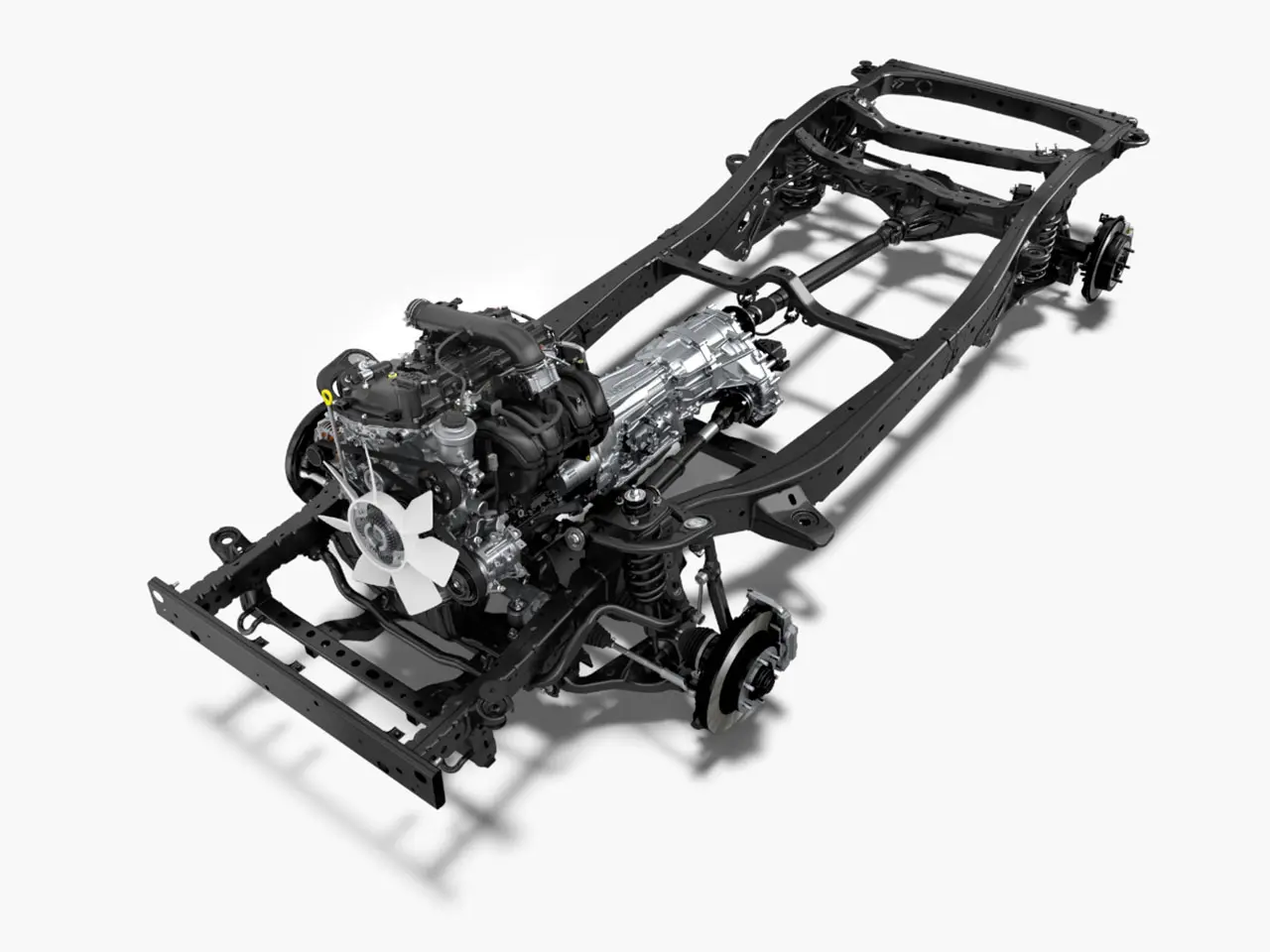
Much of the early discussion surrounding the model centers on whether a smaller platform can preserve those same qualities — or whether size reduction will come at the cost of what makes a Land Cruiser a Land Cruiser.
For the Land Cruiser community, that is not a small question. It is the only question.
Why Does a Compact Land Cruiser Matter Today?
The global SUV market is large, crowded, and increasingly homogeneous. Most vehicles in the compact SUV segment are built on car-based platforms, optimized for urban commuting and highway driving. Genuine off-road capability, in that segment, is often more styling than substance.
That is where the Land Cruiser FJ has the potential to stand apart.
A properly built compact off-roader offers advantages that larger vehicles cannot:
- Easier to maneuver on tight trails and narrow roads
- Lower daily running costs compared to full-size SUVs
- A lower barrier for drivers entering the world of off-road for the first time
- Practical enough for everyday use without sacrificing weekend capability
For drivers who want a vehicle that can handle both a city commute and an unpaved track on the same weekend, the compact format makes that combination more realistic.
The FJ Cruiser, which ran from 2006 to 2014, showed that there was a genuine market for a more compact, character-driven Land Cruiser. That model developed a following that persists well after production ended. The Land Cruiser FJ is widely seen as the next step in that direction — updated for a new generation, but rooted in the same idea.
Whether the Land Cruiser FJ fully delivers on that potential remains to be seen. Toyota has not confirmed all specifications, and the real test will come once the vehicle is in use across the terrain types that Land Cruiser owners actually drive.
A New Entry Point Into the Land Cruiser World
The Land Cruiser FJ is not attracting attention simply because it is smaller than other models in the lineup.
It is attracting attention because of what it could represent: a way to bring the core values of the Land Cruiser series — reliability, durability, and real off-road capability — to a broader range of drivers, without asking them to compromise on what makes those values meaningful.
For longtime enthusiasts, it is another chapter in the evolution of Land Cruiser heritage. For newer drivers, it may become the most practical starting point into a lineage that has earned its reputation the hard way — one difficult road at a time.